
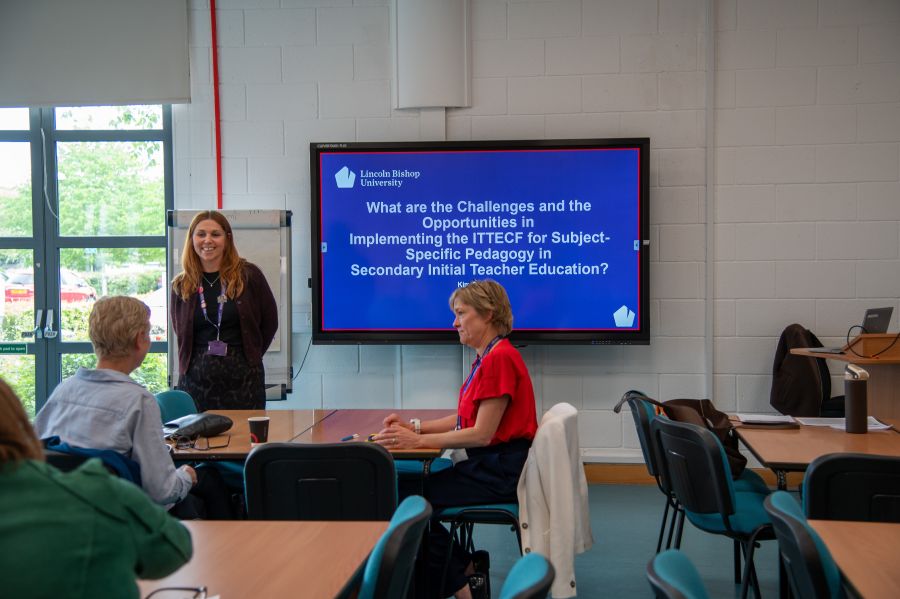
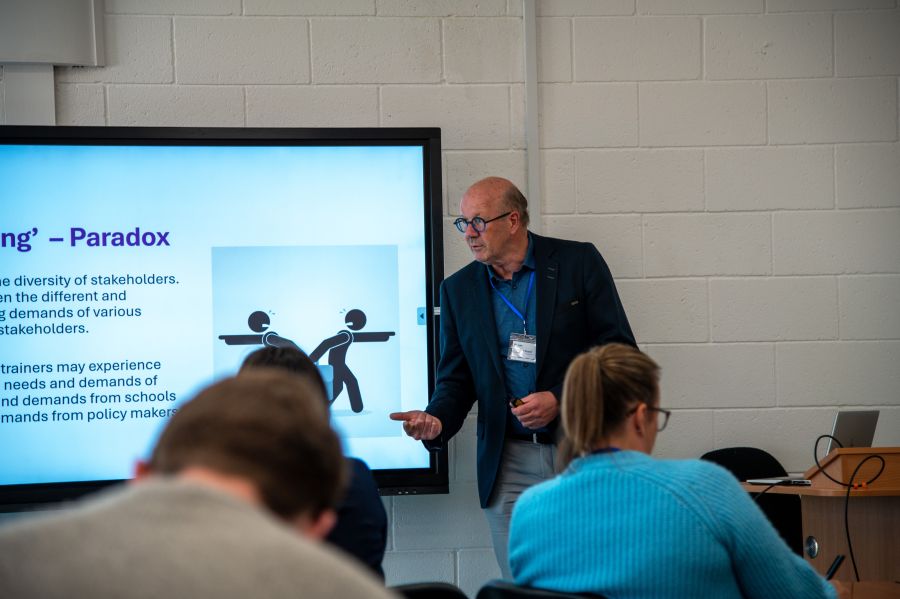
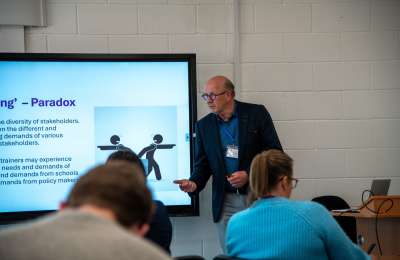
From Wednesday 6th to Friday 8th May 2026, Lincoln Bishop University hosted the Teacher Education Policy in Europe (TEPE) Conference 2026, welcoming teacher educators, researchers, and policymakers from 10 different countries to the historic city of Lincoln.
The three‑day conference brought together an international community committed to advancing teacher education and policy, with a strong focus on dialogue, shared inquiry, and collaboration. This year’s event was centred around the guiding question:
How can teacher education be leveraged as the new Magna Carta for empowering the teaching profession?
Drawing inspiration from Lincoln’s unique historic connection to the Magna Carta - one of only four surviving original copies is held in the city, the conference invited participants to rethink teacher empowerment not as a symbolic ideal, but as a practical and transformative force embedded within policy, professional learning, and everyday educational practice.
The programme featured keynote addresses from Dr Jenny Wynn (University of Oxford) and Professor Romiță Iucu (University of Bucharest), alongside panel discussions and parallel sessions exploring themes such as teacher identity, inclusive pedagogy, social mobility, artificial intelligence in education, and neurodiversity in the classroom.
Dr Wynn’s keynote drew on her research into threshold concepts in initial teacher education, highlighting the role of positive relationships, reflective practice, and secure professional identity in creating more sustainable approaches to teacher development and retention. Professor Iucu challenged delegates to reconceptualise the governance of learning in transnational teacher education, encouraging participants to move beyond metaphor and begin imagining what a contemporary Magna Carta for Teacher Education might look like in their own contexts.
The conference was hosted by Dr Philip Yeung, Deputy Dean and Head of the School of Lifelong Learning at Lincoln Bishop. Reflecting on the event, he said:
“Throughout the conference, I was inspired by the depth of conversation, the openness with which ideas were shared, and the strong collective commitment to thinking critically and creatively about the future of the teaching profession. Whilst contexts and systems may differ, there was a clear shared responsibility for shaping teacher education that is empowering, sustainable, and future‑focused.”
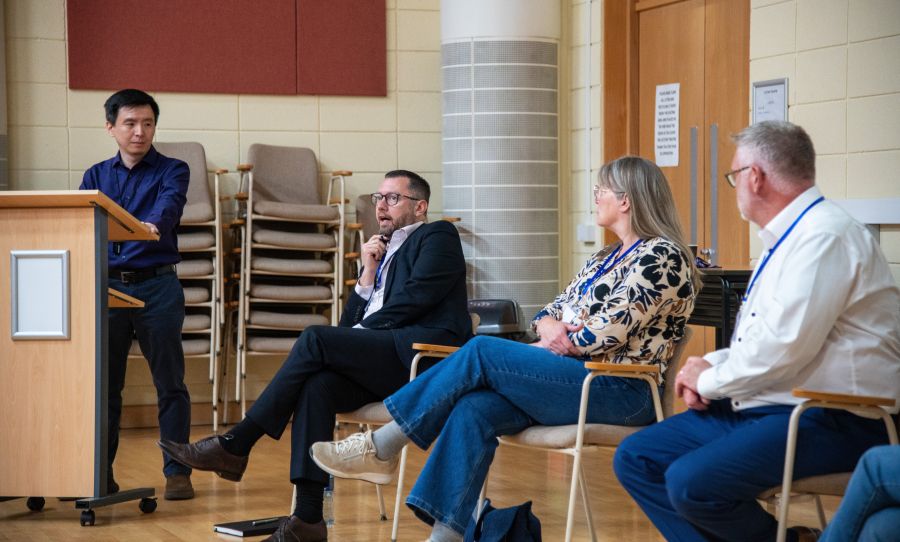
A panel discussion further enriched the programme, bringing together perspectives from Ukraine, the Netherlands, the UK, and Finland, and reinforcing the value of dialogue across research, policy, and professional practice.
Lincoln Bishop University was proud to host TEPE 2026, continuing its long‑standing commitment to teacher education, which dates back to the nineteenth century. While the conference has formally concluded, many participants highlighted a strong sense that the work has only just begun, with renewed emphasis on professional agency, collaboration, and shared responsibility for shaping the future of teacher education across Europe.
To read the TEPE Conference 2026 programme, please click here.

Previous Article
Lifelong Learning Entitlement approved for Lincoln Bishop
Next Article
Visiting Academic from University of Ferrara, Italy